

Reshaping International Trade Through Technological Modernization in 2026
A New Operating System for Global Commerce
By 2026, international trade has evolved into a deeply digital, data-driven ecosystem in which software, networks, and algorithms are as strategically important as shipping fleets, warehouses, and customs terminals. The acceleration of technological modernization since the early 2020s has redefined how goods, services, and capital move across borders, forcing executives, policymakers, and investors to reassess long-held assumptions about competitiveness, supply chain design, and risk management. For the global audience of Business-Fact.com, this transformation is not a theoretical projection but a lived reality that shapes corporate strategy, investment decisions, and employment patterns from North America and Europe to Asia-Pacific, Africa, and Latin America.
The contemporary architecture of trade is increasingly built on digital rails. Cloud-based platforms orchestrate end-to-end logistics, artificial intelligence systems anticipate demand and disruptions, and advanced analytics inform sourcing, pricing, and risk assessment in real time. At the same time, governments and regulators in the United States, the European Union, China, and other major economies are constructing new frameworks for data governance, cybersecurity, and digital competition that directly influence how trade is conducted. As Business-Fact.com continues to expand its coverage of global business and economic trends, it has become clear that the winners in this environment are those organizations that combine technological expertise with deep understanding of trade policy, regulatory change, and geopolitical dynamics.
Digital Trade at the Core of Global Value Creation
Digital trade, encompassing cross-border data flows, digital services, cloud computing, and software-enabled business models, has firmly moved to the center of global value chains. Institutions such as the World Trade Organization have emphasized that data-intensive services and digital platforms now underpin a growing share of international commerce, even in traditionally "physical" sectors such as automotive, chemicals, and consumer goods. Companies based in the United States, the United Kingdom, Germany, Singapore, and South Korea increasingly design their supply chains as integrated digital networks, where information about orders, inventory, compliance, and payments circulates continuously between partners.
In practice, this means that multinational manufacturers routinely deploy digital twins of factories and logistics routes, using real-time sensor data and satellite imagery to optimize production and transportation while reducing waste and delays. Mid-sized exporters in Canada, Italy, Spain, and Brazil leverage cloud-based marketplaces and application programming interfaces to connect with customers and logistics providers worldwide without building costly proprietary infrastructure. As readers who follow business model innovation on Business-Fact.com recognize, the line between digital and traditional trade has largely dissolved; even a small manufacturer of industrial components in Germany or Thailand now competes based on the quality of its data, the interoperability of its systems, and the responsiveness of its digital channels, not merely on cost or product specifications.
For decision-makers, this integration of digital and physical trade creates both opportunities and obligations. It allows faster market entry and more granular customization of offerings by region, but it also requires robust governance of data flows, careful vendor selection in complex platform ecosystems, and constant monitoring of regulatory developments in jurisdictions that are tightening rules on privacy, cybersecurity, and digital competition. Those who wish to understand the strategic implications can explore how leading economies are approaching digital trade policy through resources such as the OECD's work on digital transformation.
Artificial Intelligence as the Strategic Engine of Trade
Artificial intelligence has become a foundational capability for trade-intensive businesses, moving well beyond experimental pilots into mission-critical operations. In logistics hubs from Rotterdam and Hamburg to Los Angeles, Busan, and Singapore, AI systems analyze real-time data on vessel arrivals, weather patterns, labor availability, and hinterland congestion to orchestrate port operations and inland transport with unprecedented precision. In manufacturing centers across China, Mexico, and Eastern Europe, machine learning models forecast demand, optimize production schedules, and predict equipment failures, enabling firms to respond more quickly to volatile orders from global customers.
AI's influence is equally pronounced in services and finance. Major banks and trade finance providers use machine learning for credit scoring, fraud detection, and automated document checking, compressing processes that once took days into minutes. Customs and border agencies in the United States, the European Union, and Australia deploy AI-driven risk assessment tools to prioritize inspections and combat illicit trade. As Business-Fact.com has highlighted in its analysis of artificial intelligence in business and trade, the most advanced organizations are not merely automating existing workflows; they are redesigning their operating models so that data and algorithms guide strategic planning, supplier selection, and market expansion.
Yet the growing centrality of AI raises complex questions about governance, transparency, and cross-border interoperability. Authorities such as the European Commission and regulators in the United States and Asia are increasingly focused on how AI systems make decisions that affect trade flows, credit access, and labor conditions. Businesses engaged in cross-border commerce must therefore develop internal capabilities not only in data science and engineering, but also in AI ethics, regulatory compliance, and model risk management. The firms that build robust, explainable AI frameworks are better positioned to maintain trust with regulators, customers, and investors, especially as generative AI tools become embedded in contract drafting, customer interaction, and product design.
Blockchain, Digital Currencies, and the Reinvention of Trade Finance
Trade finance, historically constrained by paper-heavy documentation and fragmented processes, is undergoing a structural shift driven by distributed ledger technology and digital currencies. Consortia involving global banks such as HSBC, Citi, and Deutsche Bank have piloted blockchain-based platforms that record letters of credit, bills of lading, and invoices on shared ledgers, reducing the risk of fraud, enabling near real-time verification, and improving transparency for all parties involved. Central banks including the Bank of England, the European Central Bank, and the Monetary Authority of Singapore have advanced experiments with wholesale and retail central bank digital currencies, exploring how these instruments might streamline cross-border settlements and reduce reliance on legacy correspondent banking networks.
Parallel to official initiatives, the private sector continues to innovate in tokenized deposits, regulated stablecoins, and programmable payment solutions. While regulators in the United States, the European Union, and Asia have tightened oversight of speculative crypto-assets, there is growing recognition that well-governed digital tokens can support trade by enabling conditional payments tied to delivery milestones, customs clearance, or compliance checks. Readers of Business-Fact.com who track crypto, tokenization, and digital asset developments understand that the convergence of blockchain, digital identity, and smart contracts has the potential to open trade finance to small and medium-sized enterprises in Africa, Southeast Asia, and Latin America that have historically been excluded from affordable credit.
For financial institutions and corporates, the challenge in 2026 is to move from pilots to scalable, interoperable solutions that align with evolving regulatory frameworks. Engagement with standard-setting bodies such as the Bank for International Settlements and careful participation in industry initiatives focused on interoperability and compliance are becoming essential for any organization seeking to modernize its trade finance operations while maintaining trust with supervisors and customers.
Smart Ports, Autonomous Logistics, and Intelligent Infrastructure
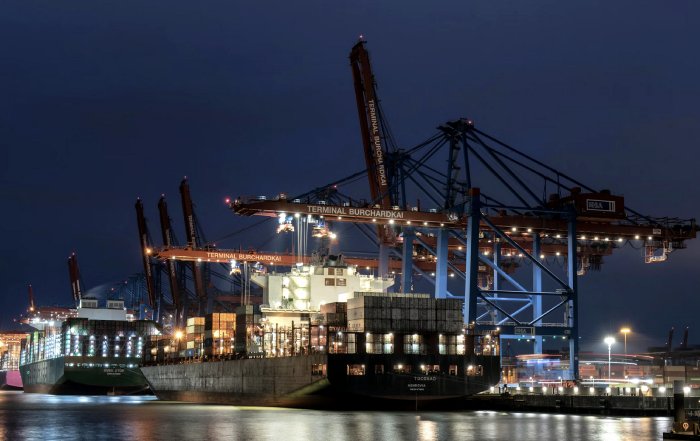
The physical backbone of global trade-ports, airports, railways, and highways-is being transformed into intelligent infrastructure through the integration of sensors, connectivity, and automation. Leading ports in the Netherlands, Germany, China, Singapore, and the United Arab Emirates now operate as "smart ports," where Internet of Things devices monitor container movements, energy consumption, and equipment performance, while AI-driven control towers optimize berthing windows, crane deployment, and yard operations. Organizations such as the International Maritime Organization encourage the adoption of digital standards that enhance safety, traceability, and environmental performance.
Autonomous and semi-autonomous transport systems are gradually entering mainstream operations. Trials of driverless or platooned trucks on long-distance corridors in the United States, Australia, and Europe demonstrate potential for cost savings, reduced emissions, and improved safety, although regulatory harmonization remains a work in progress. In major logistics hubs, automated guided vehicles and robotics handle container movements and warehouse operations, supported by predictive maintenance systems that reduce downtime. For executives and investors who follow innovation in logistics and supply chains on Business-Fact.com, these developments are no longer peripheral experiments but core elements of location strategy, capital allocation, and risk management.
The shift toward intelligent infrastructure also intersects with national industrial policies and security concerns. Governments in regions such as North America, Europe, and East Asia increasingly view control over critical logistics technology and data as a strategic asset, influencing decisions about foreign investment screening, vendor selection, and digital sovereignty. Businesses must therefore consider not only the operational benefits of smart infrastructure, but also the geopolitical and regulatory context in which digital logistics platforms operate.
Data Governance, Cybersecurity, and the Foundations of Trust
In a world where trade depends on the continuous flow of sensitive commercial and personal data, trust has become inseparable from data governance and cybersecurity. Regulatory frameworks such as the EU's General Data Protection Regulation, Brazil's LGPD, and evolving privacy laws in countries including Japan, South Korea, and South Africa impose stringent requirements on how data is collected, processed, and transferred across borders. Companies operating in multiple jurisdictions must design data architectures that respect local rules while preserving the analytical capabilities and interoperability that digital trade demands.
Cybersecurity has risen to the top tier of board-level risks for trade-intensive organizations. High-profile ransomware attacks and supply chain intrusions affecting logistics providers, port operators, and customs systems have demonstrated how a single vulnerability can disrupt trade flows across entire regions. Institutions like the World Economic Forum and national cybersecurity agencies in the United States, the United Kingdom, Singapore, and elsewhere have repeatedly warned that interconnected digital supply chains create systemic risk that cannot be mitigated by individual firms acting in isolation. As Business-Fact.com emphasizes in its coverage of technology, risk, and resilience, building trust in digital trade requires layered defenses, robust identity and access management, continuous monitoring, and, increasingly, coordinated information-sharing between public authorities and private-sector operators.
For businesses, this environment calls for a strategic approach to data and security that integrates legal, technical, and operational perspectives. Investment in zero-trust architectures, encryption, and incident response capabilities must be matched by clear governance structures, regular audits, and transparent communication with partners and regulators. Trust is becoming a differentiator in global trade, particularly for service providers handling logistics, payments, or data processing on behalf of multiple clients.
Digital Banking, Embedded Finance, and New Trade Intermediaries
The role of banks and financial intermediaries in trade is being reshaped by digital technology, regulatory change, and competitive pressure from fintechs and big technology platforms. Corporate customers now expect real-time visibility into their cash positions, automated reconciliation of invoices and payments, and seamless integration between banking services and enterprise resource planning or e-commerce systems. Leading institutions such as HSBC, Citi, and Deutsche Bank have responded by investing heavily in API-based connectivity, digital trade portals, and partnerships with fintech firms that specialize in document digitization, e-signatures, and risk analytics.
In emerging markets across Africa, Southeast Asia, and Latin America, digital banking and mobile money platforms are expanding access to cross-border payments and basic trade finance for small and medium-sized enterprises. Regulatory initiatives such as open banking in the United Kingdom and the European Union, along with sandboxes in jurisdictions like Singapore and the United Arab Emirates, have encouraged experimentation with new models of embedded finance, where trade-related financial services are integrated directly into logistics platforms, marketplaces, and software used by exporters and importers. Readers who closely follow global banking and investment coverage on Business-Fact.com recognize that the competitive landscape is shifting from a bank-centric model to a more platform-based ecosystem in which multiple providers collaborate and compete to serve traders' needs.
However, this innovation brings new regulatory and operational challenges. Supervisors are paying closer attention to concentration risk in cloud services, operational resilience of critical payment infrastructures, and the implications of non-bank entities playing central roles in trade finance and cross-border payments. Financial institutions and their corporate clients must therefore ensure that modernization efforts are accompanied by rigorous risk management, clear contractual arrangements, and continuous monitoring of third-party dependencies.
Labor Markets, Skills, and Human Capital in a Digital Trade Era
Technological modernization has profound implications for employment, skills, and the social contract in trade-related sectors. Automation and AI are reshaping job profiles in logistics, manufacturing, and business services, reducing demand for some routine tasks while increasing the need for roles involving data analysis, digital operations, customer experience management, and cybersecurity. Organizations such as the International Labour Organization have stressed that the distribution of gains from trade and technology will depend heavily on how effectively workers are reskilled and upskilled.
Countries that invest systematically in digital skills and vocational training are better positioned to attract trade-related investment and to help their firms move up the value chain. Germany's dual education model, Singapore's SkillsFuture initiative, and targeted digital literacy programs in Canada, Australia, and the Nordic countries illustrate different approaches to aligning workforce capabilities with the needs of a digital economy. Businesses that monitor employment and workforce dynamics via Business-Fact.com increasingly view talent strategy as integral to trade strategy, recognizing that access to skilled workers can be as important as infrastructure quality or tax incentives when deciding where to locate production, distribution, or service centers.
At the corporate level, forward-looking firms are building internal academies, partnering with universities and training providers, and offering continuous learning programs focused on data literacy, digital tools, and cross-cultural collaboration. These initiatives not only address skills gaps but also support retention and employee engagement in a competitive global labor market. In parallel, policymakers are grappling with how to support workers displaced by automation and offshoring, exploring combinations of active labor market policies, social protection, and incentives for private-sector training.
Sustainability, Climate Policy, and Green Trade Technologies
Sustainability considerations have become central to trade policy and corporate decision-making, driven by climate commitments under the Paris Agreement, evolving environmental regulations, and investor expectations around environmental, social, and governance performance. Measures such as the European Union's Carbon Border Adjustment Mechanism, stricter emissions standards for shipping and aviation, and national net-zero strategies are reshaping sourcing decisions, logistics routes, and investment in production capacity across regions.
Technological modernization is a key enabler of greener trade. Digital tools for emissions tracking, lifecycle analysis, and supply chain transparency allow companies to quantify and manage their environmental footprint with greater accuracy. Innovations in low-carbon fuels, electrified logistics, and energy-efficient infrastructure are gradually reducing the climate impact of high-emission segments such as maritime shipping and air freight. Businesses that integrate sustainability into their trade strategies can not only comply with regulation but also access green finance, enhance brand reputation, and secure long-term competitiveness in markets where customers and regulators scrutinize environmental performance. Those seeking to deepen their understanding can learn more about sustainable business practices through Business-Fact.com's dedicated coverage.
For trade-intensive firms, the transition to more sustainable models often requires rethinking network design, supplier selection, and inventory strategies. Decisions about nearshoring or regionalization are increasingly influenced not only by cost and resilience considerations but also by the carbon intensity of transport modes and energy sources in different locations. Investors, meanwhile, are paying close attention to how companies disclose and manage climate-related risks in their global operations, as guided by frameworks such as the recommendations of the Task Force on Climate-related Financial Disclosures.
Geopolitics, Regional Blocs, and the Risk of Fragmentation
While technology is knitting together new digital networks, geopolitical tensions and regulatory divergence are introducing fragmentation risks into the global trading system. Strategic competition between major powers, concerns about overdependence on single suppliers or markets, and the weaponization of trade tools such as export controls and sanctions have all contributed to a more complex and uncertain environment. Regional trade agreements like the Comprehensive and Progressive Agreement for Trans-Pacific Partnership, the Regional Comprehensive Economic Partnership, and the African Continental Free Trade Area reflect both efforts to deepen regional integration and attempts to diversify away from perceived vulnerabilities.
For businesses engaged in cross-border commerce, this landscape demands sophisticated geopolitical risk assessment and scenario planning. Firms are reassessing their exposure to specific jurisdictions, diversifying suppliers, and considering "friend-shoring" or "nearshoring" strategies that balance cost efficiency with resilience and regulatory alignment. Divergent approaches to data localization, digital services regulation, and cybersecurity also complicate the operation of global digital platforms. Readers who rely on Business-Fact.com for economic analysis and timely business news appreciate that successful trade strategies now require close coordination between supply chain, legal, government affairs, and technology functions to anticipate and respond to policy shifts.
Engagement with multilateral institutions such as the World Bank, the International Monetary Fund, and regional development banks remains important for understanding the broader macroeconomic and policy environment, particularly in emerging markets where infrastructure investment and regulatory reforms can create new trade opportunities or risks.
Founders, Startups, and the Trade Technology Ecosystem
The modernization of trade is being driven not only by incumbent multinationals and governments but also by a vibrant ecosystem of startups and scale-ups that are reimagining how cross-border commerce is conducted. In innovation hubs from Silicon Valley and New York to London, Berlin, Singapore, and Tel Aviv, founders are building digital freight marketplaces, AI-powered customs compliance tools, embedded trade finance solutions, and platforms that integrate logistics, payments, and insurance into seamless user experiences. Many of these ventures collaborate with established players such as Maersk, DHL, and major banks to pilot new technologies and accelerate adoption.
The most successful entrepreneurs in this space combine deep domain expertise with strong technical capabilities and an acute understanding of cross-border regulatory environments. They navigate complex rules on data, financial services, and trade documentation while convincing conservative industries to adopt new tools. Coverage of founders and entrepreneurial leaders on Business-Fact.com highlights how these innovators are shaping the future of trade, from digitizing freight forwarding in Europe and North America to enabling small exporters in Africa and Southeast Asia to access global markets through mobile-first platforms.
Venture capital and private equity investors are increasingly attentive to this segment, viewing trade technology as a structural growth theme aligned with long-term trends in digitalization, sustainability, and supply chain resilience. At the same time, the funding environment has become more selective, rewarding startups that can demonstrate clear value creation, robust compliance, and scalable business models in a heavily regulated landscape.
Marketing, Customer Experience, and Cross-Border Expectations
As digital tools lower barriers to international expansion, customer expectations for cross-border experiences have risen significantly. Business buyers and consumers alike now expect transparent pricing, accurate delivery estimates, real-time tracking, simple returns, and clear communication across languages and channels. Marketing strategies must therefore integrate trade considerations from the outset, ensuring that digital campaigns are aligned with local regulations, cultural norms, and logistical capabilities.
Advanced analytics and AI-driven personalization tools enable firms to tailor product assortments, pricing, and messaging by country or region, taking into account differences in income levels, preferences, and regulatory constraints. However, these practices also bring heightened scrutiny from data protection authorities and consumer advocates, particularly in the European Union and other jurisdictions with strong privacy regimes. Marketers and commercial leaders who follow global marketing trends on Business-Fact.com understand that effective international expansion requires close collaboration with legal, compliance, and supply chain teams to ensure that promises made in digital channels can be fulfilled reliably and lawfully in each market.
In parallel, cross-border e-commerce platforms and marketplaces have become important intermediaries, shaping customer expectations and setting standards for service levels. Companies choosing whether to build direct-to-consumer channels or rely on third-party platforms must weigh control over data and brand experience against the reach and convenience offered by established marketplaces.
Capital Markets, Valuation, and Investor Perception
Global stock markets increasingly reflect the strategic importance of technological modernization in trade-related sectors. Investors in the United States, Europe, and Asia assess logistics providers, manufacturers, retailers, and infrastructure operators not only on traditional financial metrics but also on their digital maturity, supply chain resilience, and exposure to regulatory and geopolitical risks. Exchange-traded funds focused on automation, digital infrastructure, and supply chain technology have gained prominence, offering investors diversified exposure to the modernization of global commerce.
Listed companies face growing pressure from analysts and shareholders to disclose progress on digital transformation, cybersecurity readiness, and climate-related risk management. Those that demonstrate credible strategies and execution in these areas often benefit from valuation premiums and lower cost of capital, while laggards may face skepticism and higher risk premia. Observers who track global stock markets through Business-Fact.com can see how the boundaries between "technology" and "traditional" sectors have blurred, as shipping lines, industrials, and retailers increasingly trade on their ability to harness data, AI, and automation.
For companies seeking to access capital markets or attract long-term investors, clear communication about digital and sustainability strategies has become essential. This includes articulating how technology investments support resilience, efficiency, and growth, as well as how governance structures and risk controls ensure responsible use of data and AI.
Charting the Next Phase of Technologically Enabled Trade
From the vantage point of 2026, it is evident that technological modernization has fundamentally altered the mechanics and economics of international trade. Emerging technologies such as generative AI, quantum computing, and advanced robotics are poised to deepen this transformation, potentially enabling even more sophisticated optimization of supply chains, faster materials innovation, and new forms of cross-border collaboration. At the same time, debates around data sovereignty, digital taxation, platform regulation, and ethical AI will shape the rules under which digital trade operates in the coming decade.
For the global business community that turns to Business-Fact.com as a trusted source on technology, global business and trade, innovation, and the broader business environment, the imperative is to treat technological modernization as a strategic, enterprise-wide endeavor. Organizations that succeed will be those that embed digital tools into core trade processes, invest systematically in human capital and governance, and design supply chains that are not only efficient but also resilient, sustainable, and compliant with an increasingly complex regulatory landscape.
In this evolving environment, experience, expertise, authoritativeness, and trustworthiness become decisive assets. Companies, financial institutions, and policymakers that build deep capabilities at the intersection of technology and trade will be best positioned to navigate uncertainty, capture new opportunities, and shape a global trading system in which data, algorithms, and digital infrastructure are as central to competitiveness as ships, ports, and factories once were.